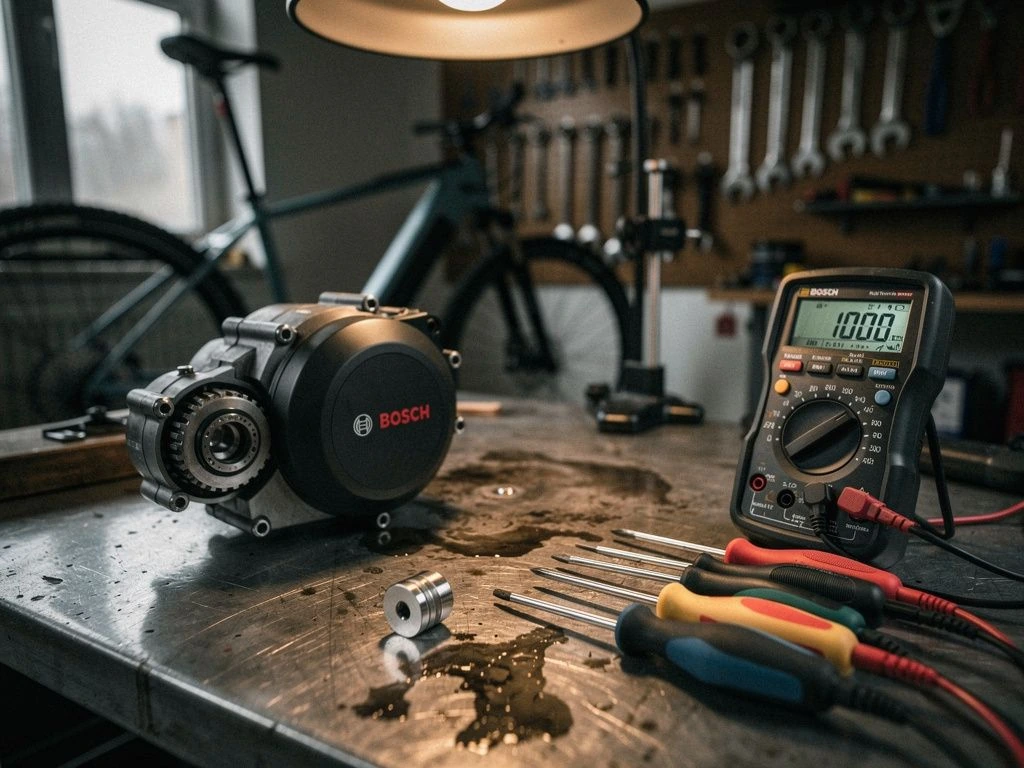
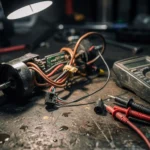
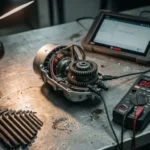
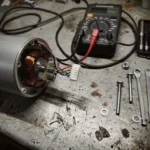
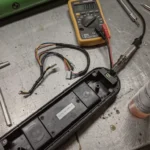
The 503 error is a specific diagnostic flag within the Bosch Drive System (Active Line/Performance Line) indicating that the controller is not receiving a valid speed signal. While the motor may still provide assistance via the PAS (Pedal Assist Sensor), the system cannot accurately calculate velocity or distance. This creates a discrepancy in the display-controller communication protocol regarding movement data.
Symptom
Root Cause
Severity
Estimated Repair Time
Display shows 503; Speed is 0 km/h
Misaligned magnet
Medium
5-10 minutes
Motor assist works but no distance recorded
Sensor cable damage
High
20-40 minutes
Error appears only after rain/washing
Moisture ingress
High
30-60 minutes
Intermittent error during bumps
Loose Higo/Julet connector
Medium
15 minutes
What causes Error 503 on Bosch motors?
Technical failures regarding Error 503 usually stem from the physical interface between the speed sensor and the motor controller. The system relies on a Hall sensor or a magnetic reed sensor to detect the passage of a magnet mounted on the spoke. If the signal is missed, the Bosch controller triggers the fault.
Common culprits include:
Incorrect Magnet Installation: The spoke magnet is too far from the sensor head, preventing the magnetic field from triggering the Hall sensor.
Moisture Ingress: High humidity or pressure washing damage can seep into the sensor housing, causing signal attenuation.
Vibration Damage: Riding on gravel or hitting potholes can loosen the sensor cable, breaking the continuity of the 5V logic reference.
Pin Corrosion: In coastal areas with high salt air, the connector pins may oxidize, increasing resistance.
Cable Fatigue: Constant wheel rotation can fray the internal wiring of the sensor cable.
Quick Fix: Error 503 in 4 steps
Check the magnet position on the wheel spoke to ensure it is aligned with the sensor.
Inspect the sensor cable for visible kinks or tears.
Ensure the sensor connector is fully seated and clicked into place.
Wipe the sensor area with a dry cloth if you recently rode through heavy rain.
If the quick fix fails, you must perform a deep diagnostic using professional tools. This workflow is essential for riders in the US and UK dealing with varying climate conditions.
Step 1: Magnet Alignment Check
The most common cause is a magnet that has slipped. Ensure the magnet is positioned so that it passes within the specified distance (refer to your model’s official service manual for exact specifications) from the sensor head.
Step 2: Electrical Continuity Testing
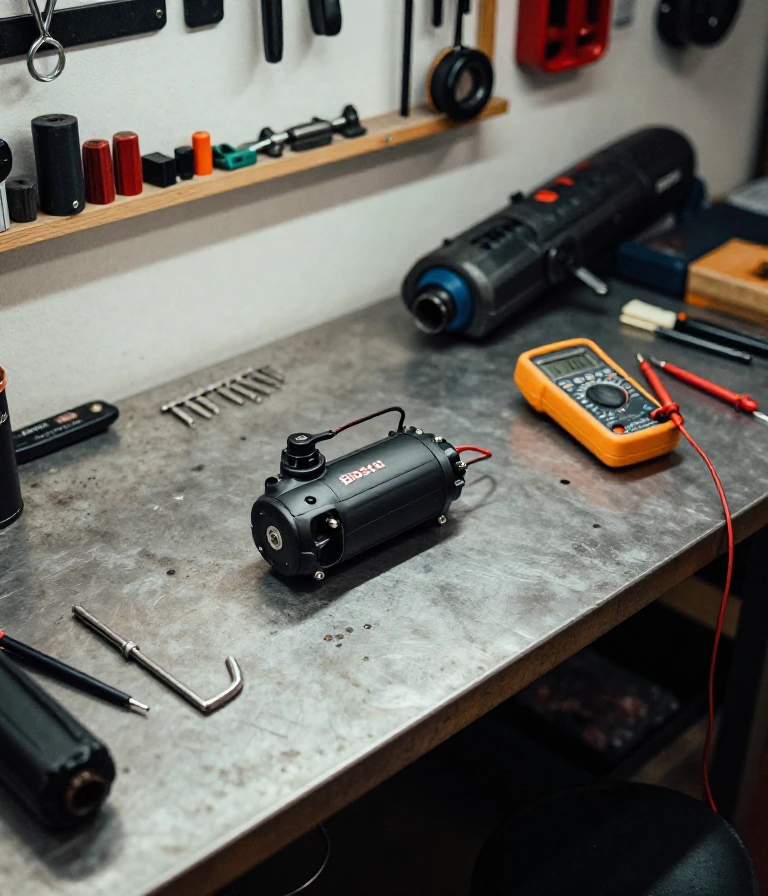
Using a multimeter, test the sensor cable for continuity. If the cable shows an open circuit, the internal wiring has likely failed due to vibration or fatigue. You will need to replace the sensor cable.
Step 3: Connector Cleaning
If you suspect moisture ingress or corrosion, use a specialized contact cleaner on the connector pins. Once dry, apply a small amount of dielectric grease to protect against future moisture and salt air in coastal regions.
Step 4: Sensor Replacement
If the sensor head itself is faulty (indicated by a reading of zero voltage during a magnetic pass), the component must be replaced. Ensure the new sensor is compatible with your specific Bosch Active or Performance Line system.
Prevention & Maintenance
Maintaining your Bosch system prevents the dreaded 503 error from recurring. Use these guidelines to protect your investment:
Avoid Pressure Washing: Never use high-pressure jets near the motor or sensor; stick to low-pressure rinsing.
Check Torque: Periodically ensure the sensor mounting bracket is tightened to the correct torque specs.
Climate Protection: In humid or coastal climates, use dielectric grease on all exposed electrical junctions.
Seasonal Inspection: During freeze-thaw cycles, check that cables haven’t become brittle or cracked.
Frequently Asked Questions
Is an Error 503 dangerous to ride?
Summary: It is generally not a safety risk, but it is a functional failure.
The motor will often still provide assistance, but your speed and distance data will be wrong, which can be confusing during navigation or legal speed-limit compliance.
When should I replace the sensor instead of fixing it?
Summary: Replace if the cable is frayed or the sensor is physically cracked.
If cleaning the pins and realigning the magnet does not work, the internal Hall sensor logic is likely dead, requiring a full component replacement.
Are there other ways to fix the speed reading?
Summary: Yes, checking the motor’s internal connection is an alternative.
In some cases, the issue isn’t the spoke magnet, but a loose connection at the main controller harness. This requires more advanced disassembly.
How can I stop this from happening in the future?
Summary: Focus on moisture protection and cable management.
Keep cables routed away from high-impact areas and ensure all Julet or Higo style connectors are properly sealed against the elements.
Check your spoke magnet alignment before attempting any electrical component replacement.
This guide is based on real-world experience with Bosch motors. If the error persists or you notice burning smell or abnormal heat, consult an authorized service center.
Frequently Asked Questions
Is Bosch ebike 503 error dangerous for my motor?
Summary: The 503 error is a speed sensor fault and is not inherently dangerous to the motor hardware.
The 503 error is a speed sensor fault and is not inherently dangerous to the motor hardware. It primarily causes a loss of assist, making the bike feel heavy or unresponsive during operation.
This error indicates the system is not receiving tachometric data from the speed sensor. While it won’t burn out your Bosch Drive Unit, riding without assistance in high-traffic areas like New York or San Francisco can lead to rider exhaustion or safety hazards due to unexpected resistance.
When should I replace the speed sensor versus repairing it?
Summary: Replace the speed sensor if you find frayed wires or internal damage.
Replace the speed sensor if you find frayed wires or internal damage. Repair the mounting if the issue is simply a misaligned magnet or a loose sensor bracket.
If the sensor cable shows signs of pinching or “smelling ozone” near the connector, it is a critical failure requiring replacement. For Bosch Active/Performance Line systems, a loose magnet on the spoke is a common fix, but a compromised sensor housing requires professional component replacement to maintain electrical integrity.
Can I fix Bosch 503 error at home without tools?
Summary: You can perform a basic realignment of the magnet without tools.
You can perform a basic realignment of the magnet without tools. Check if the spoke magnet has shifted position due to vibration or impact.
Most 503 errors in the field are caused by the magnet moving too far from the sensor. Inspect the gap between the sensor and the magnet; if it has widened due to a pothole hit, simply nudging the magnet back into the correct proximity can restore the signal without needing a specialized technician.
How do I prevent Bosch 503 error from happening again?
Summary: Ensure the speed sensor magnet is securely fastened and the cable is properly routed.
Ensure the speed sensor magnet is securely fastened and the cable is properly routed. Use cable management ties to prevent the wire from snagging during rides.
Vibration from gravel paths or urban curbs can loosen the magnet mounting. Secure the sensor with high-quality zip ties and ensure the cable path does not allow for tension or “cable whip” near the wheel, which is the primary cause of signal interruption in Bosch systems.
Why does Bosch 503 error appear after riding in heavy rain?
Summary: Moisture ingress into the speed sensor or its connector often triggers this error.
Moisture ingress into the speed sensor or its connector often triggers this error. High humidity or direct heavy rain can disrupt the magnetic signal or create short circuits.
If the error appears immediately after a wet ride in coastal regions or during thunderstorms, check the sensor’s seal. Water can penetrate the sensor housing or the connection point between the sensor and the motor harness, causing the controller to lose the tachometric pulse required for motor assistance.
I am a specialist in technical diagnostics and advanced electric bicycle repair. I founded Fix E-Bike Code with a clear mission: to demystify the electronic faults and complex error codes that impact modern electric mobility. My approach combines engineering theory with hands-on workshop experience, allowing me to deliver precise and safe solutions for every system.
Throughout my career, I have specialized in Battery Management Systems (BMS), firmware optimization, and controller diagnostics for the market’s leading manufacturers. I understand that an e-bike is not just a mode of transport, but a piece of technology that requires precision. Therefore, I document each of my procedures with the goal of raising technical standards within the community of enthusiasts and mechanics.